By Ashley Leavitt, RDH
Dentistry continues to evolve and is shifting in ways to address the shortage of clinical providers. The shortage of dental assistants and hygienists in the nation is felt across many dental offices in some capacity. With access to care as a focal point, expanding the roles of our dental clinicians is one way to meet the demands. The delegation of increased roles to Expanded Function Dental Assistants (EFDAs) is not just beneficial to a dental practice but is becoming necessary.
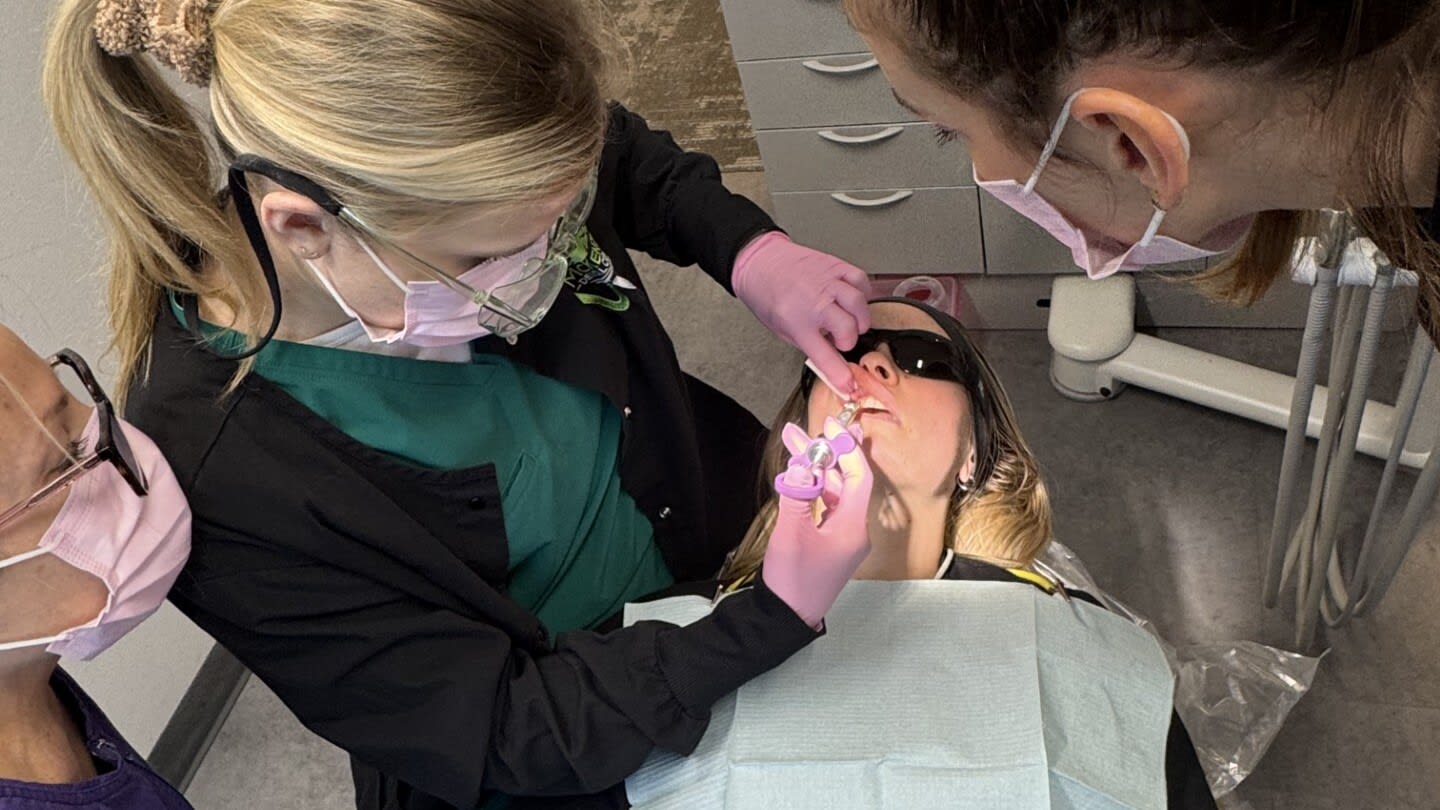
In January 2025, Oregon became the first state in the nation to allow dental assistants to obtain a local anesthesia certificate and administer under indirect supervision, followed shortly by Minnesota. Utilizing dental assistants to perform local anesthesia improves the efficiency and flow of the office, improves scheduling, and increases production. Dental hygienists will not have their patient care interrupted to provide anesthesia for the dentist’s patients.
Dental hygienists have extensive training in pain management, head and neck anatomy, injection technique, and pharmacology, and are uniquely qualified to teach local anesthesia. They are playing a pivotal role in the growth of dentistry by becoming instructors to teach local anesthesia to EFDAs through board approved programs.
Dental hygienists serving as mentors and educators continue to elevate the profession and shape the next generation of expanded function providers. To have a local anesthesia course in Oregon, the Oregon Board of Dentistry must approve the course and the instructors.
Ashley Leavitt, RDH, teaches a local anesthesia hybrid class located in Springfield, Oregon, alongside Tammy Maahs, RDH, BSDH, EP.
More information can be found at mdporegon.com.
Figures and Images